
Expert Dog Training & Behaviour Modification in Hobart
Better dog training. Deeper connection. Happier dogs
Discover science-based dog training that strengthens the bond with your dog.
Using classical and operant conditioning, I take a balanced approach that goes far beyond basic obedience. Whether you are dealing with a reactive dog or simply wanting reliable focus, I work with your dog’s natural drives. By using play to create genuine motivation, I make learning engaging and purposeful—building a strong, confident relationship between you and your dog.
Dog Training Built for Real-World Hobart
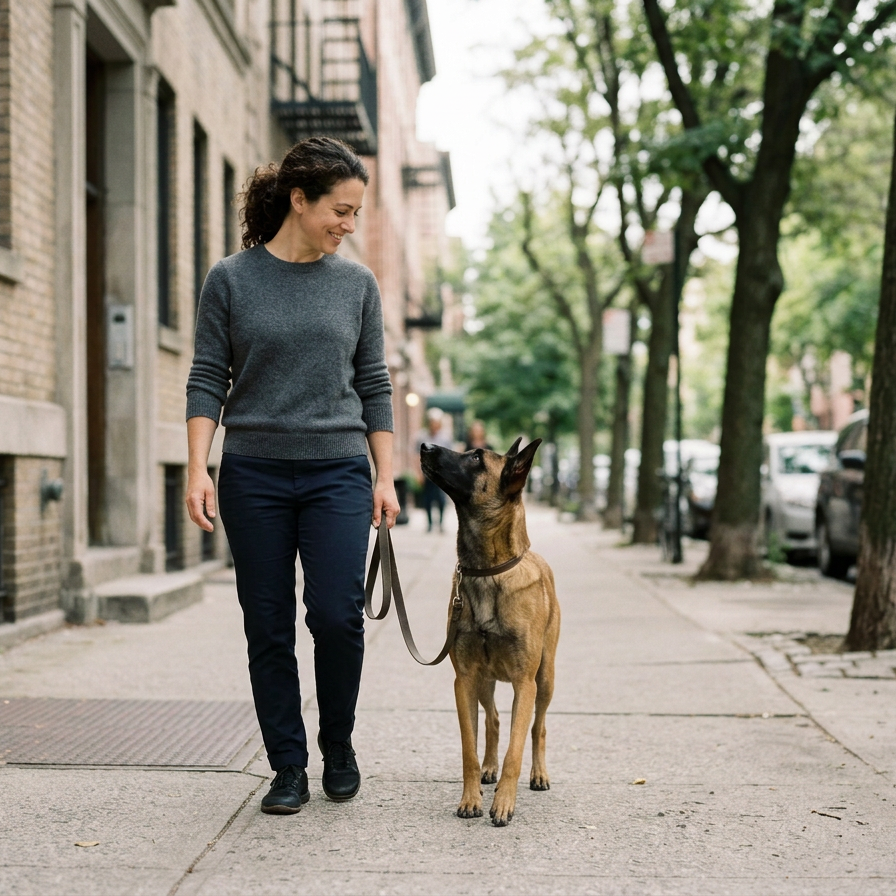
I use a fair, balanced approach that helps your dog genuinely enjoy learning while building reliable, everyday habits. By discovering what motivates your dog and using their natural instincts as rewards, training becomes an exciting game rather than a chore.
The result is a confident, well-behaved dog you can take anywhere in Southern Tasmania—and a stronger relationship built on trust, clear communication, and understanding.
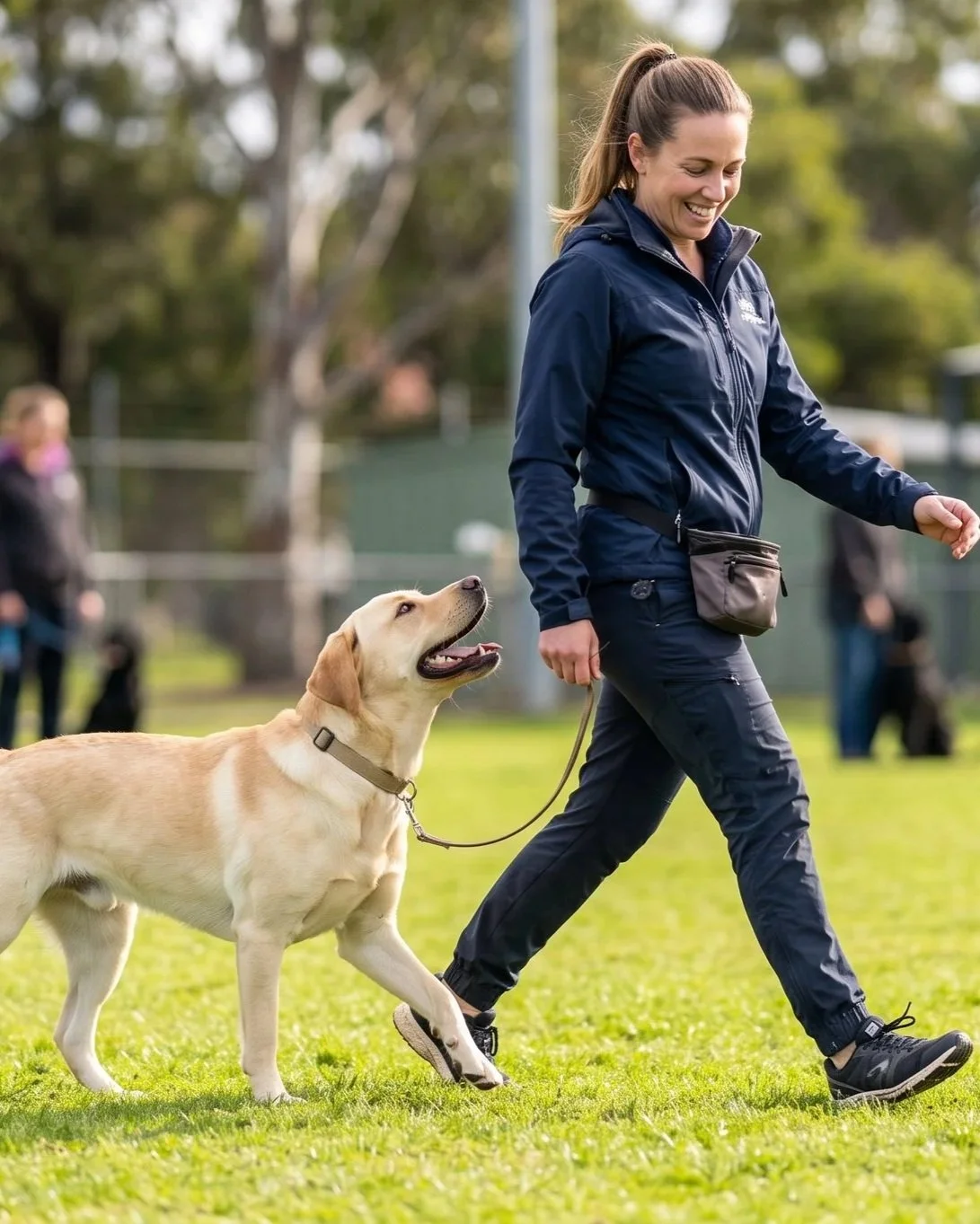
Great dog training starts with the right state of mind, not blind submission. We build mutual trust and a shared language for crystal-clear understanding between you and your dog. We create a solid obedience foundation that holds up in the real world, no matter the environment.
Core Focus Areas: Reliable recall, sit, stay, and flawless heel work.
Real-World Application: Commands that work through any distraction in Hobart's streets, parks and bush.
Real Help for You and Your Dog.
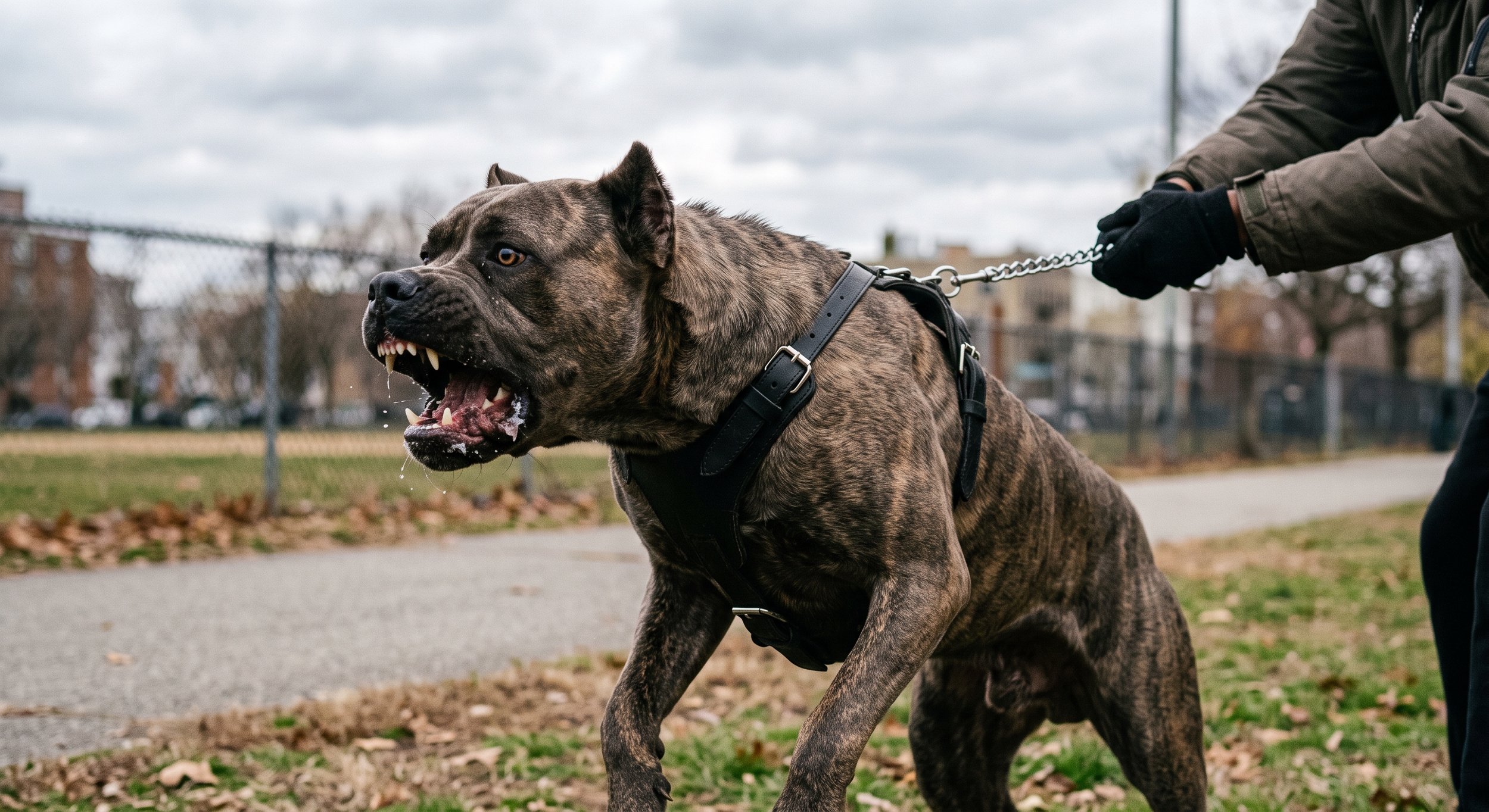
True behaviour modification goes far beyond basic obedience. When dealing with complex behavioural issues, standard training isn't enough. We target the root cause by fundamentally changing your dog's underlying emotional response, carefully introducing desensitisation and counter-conditioning. We don't ask your dog to suppress their feelings—we give them the tools to confidently navigate real-world environments across Hobart and beyond.
Issues We Treat: Fear, anxiety, leash reactivity, resource guarding, and aggression.
Our Approach: Building clear communication and teaching reliable, alternate behaviours to permanently replace unwanted reactions.
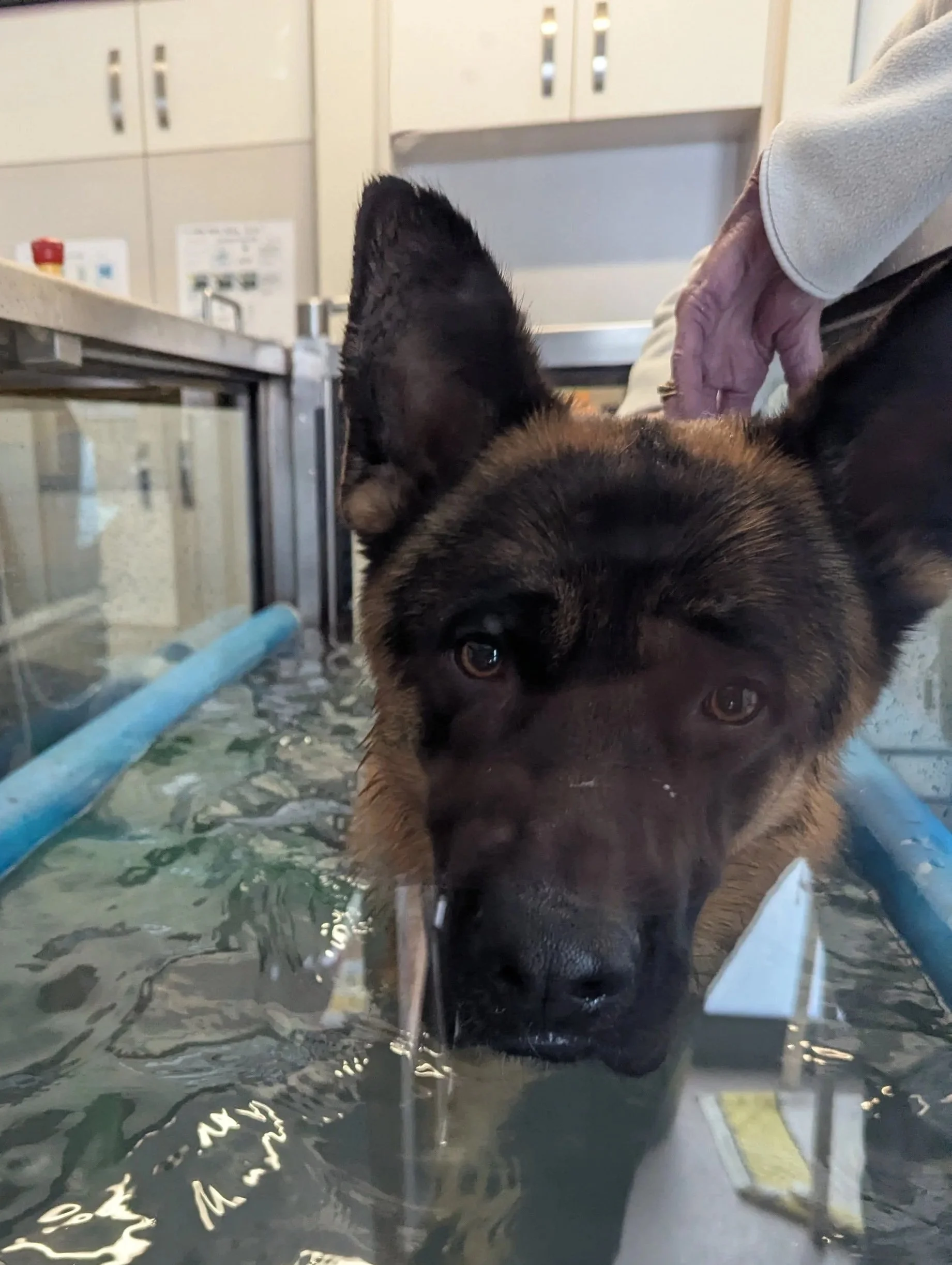
Whether your dog is recovering from surgery, bouncing back from an injury, or simply slowing down with age, we are here to help them move without limits. Our targeted physical rehabilitation programs ensure a safer, faster recovery—guiding you seamlessly from proactive pre-op preparation through to dedicated post-op care in Southern Tasmania.
Rehab Services: Pre-op preparation, post-op care, and injury recovery.
Mobility & Aging: Specialised therapies to rebuild strength, improve mobility, and actively slow the aging process for a comfortable life.
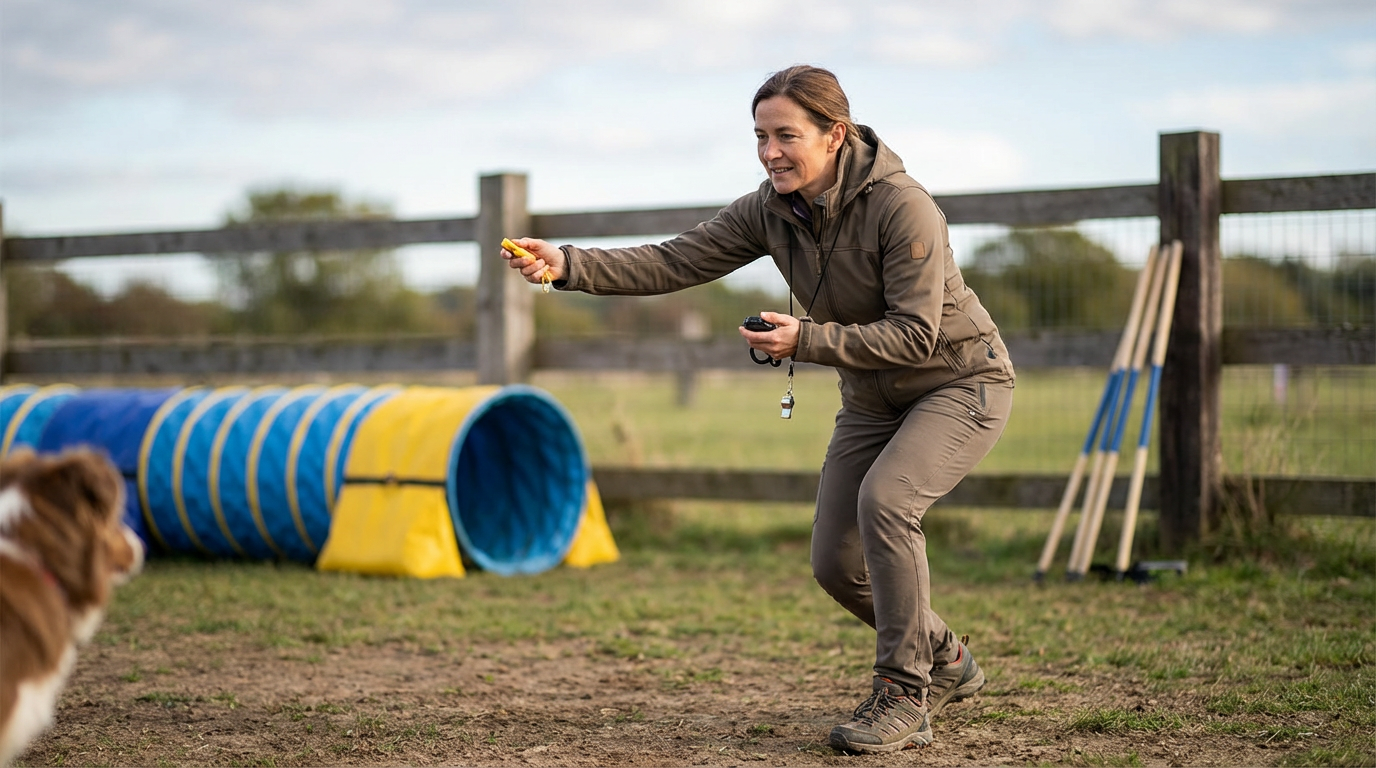
Using motivation, not suppression to get the best out of our dogs
Take the first step in moving towards a happier, more confident dog. Reach out today to begin your dog’s training journey.
Additional information to consider regarding the ongoing wellbeing of your dogs
Desexing your dog WILL NOT improve their recall
WILL NOT make them more obedient
WILL NOT make them calmer or give them less energy
WILL NOT reduce fear & anxiety (aggression)
World Small Animals Veterinary Association (WSAVA) position statement on desexing you dogs - Health and Behaviour Concerns in Dogs
Cancer Risks: Gonadectomy (removal of the testicles or ovaries) may contribute to an increased risk of developing certain tumours, including mast cell tumours, transitional cell carcinomas, osteosarcomas, lymphomas, and haemangiosarcomas. In males, the incidence of prostate gland neoplasia is higher in gonadectomised dogs than in intact dogs.
Urinary and Reproductive Tract Issues: Urinary incontinence occurs in 5–20% of female dogs at any time after gonadectomy, strongly triggered by the procedure—particularly in female puppies with an adult body weight over 25 kg. Prepubertal gonadectomy can also cause perivulvar dermatitis and recurrent infections of the urogenital tract. Additionally, while hysterectomy eliminates pregnancy risks, it could potentially increase the risk of vaginal prolapse (especially in brachycephalic breeds).
Joint and Orthopaedic Health: Gonadectomy performed at less than 6 months or less than 12 months of age has a documented negative effect on joint health in large populations and certain breeds, and prepubertal gonadectomy can trigger orthopaedic problems.
Systemic and Metabolic Diseases: The prevalence of obesity, hypothyroidism, hyperadrenocorticism, and some immune diseases is increased after gonadectomy.
Behavioural Changes: In some dogs, aggression against strangers and family members increases after gonadectomy. Furthermore, prepubertal gonadectomy has been linked to anxiousness, a lack of confidence, and a general increase in behavioural problems.
Surgical and Procedural Risks: Pain management is mandatory as all surgical procedures are painful. Inadequate surgical exposure is the main cause of complications for inexperienced surgeons. Surgical site infections (SSIs) are a significant concern, and local or systemic adverse reactions can occur if non-surgical chemical castration injections are performed improperly.
Other considerations on your dogs behaviour
Genetics plays a massive role in dog behaviour—roughly 40% to 50% of behavioural variation across dogs is directly inherited, with the remaining 50% to 60% driven by environment, training, socialization, and life experiences.
Rather than working against each other, genetics sets the baseline range of potential behaviours, while the environment determines where within that range a dog's actual behaviour lands.
Key Behavioural Insights
Instincts & Motor Patterns: Breed-specific behaviours (like a Border Collie staring down livestock or a Pointer freezing) are hardwired motor patterns. You cannot "train out" a genetic drive; you can only manage, redirect, or shape it.
The Epigenetic Factor: A dam's stress levels during pregnancy (environment) can chemically alter how her puppies' stress-response genes are expressed (genetics).
The Socialization Window: Between 3 to 16 weeks of age, a puppy's environment has a disproportionate impact on whether their genetic potential for fear or aggression gets triggered or muted.
A Better Bond with Your Dog Starts Here.